This directory highlights the many ways individuals and families are recognized across Oakton’s campuses. From named spaces to tribute pavers, each reflects a lasting legacy of generosity, commitment, and impact on our students and community.
You can purchase an engraved paver for display in the Des Plaines campus courtyard. Pavers are a wonderful way to leave a lasting mark on Oakton’s campus, and your gift supports current and future students.
Eugene H. Abrams was one of the first 10 faculty members hired at Oakton in 1969. He earned a degree in psychology and sociology, and chose teaching as a career because he wanted to share his belief that “it is never too late to pursue an education at any age.”
Before joining Oakton, he coached a young Oprah Winfrey in Milwaukee, recognizing her potential and arranging for her to attend one of the city’s best schools.
Looking back on Abrams’ career, his children wrote that their father had a deep commitment to supporting students beyond the classroom door.
“He spent numerous hours in his office or after school helping students with their studies and/or helping them gain employment opportunities,” they wrote.
Harold L. Appell, Ed.D.
An assistant professor of psychology, Harold Leo Appell was born in Chicago in 1924 and died in 1997. He was married for 45 years and had two children. In high school, he was active in chorus, band and orchestra as well as sports including baseball and basketball.
Trudy Bers
Trudy Bers started at Oakton as an instructor in social science and eventually became executive director of research, curriculum and planning.
“We created policies and practices as construction workers literally erected walls to transform a factory into classrooms,” she said about Oakton’s founding. “Our innovative (at that time) approaches — using multiple pedagogies, engaging students in classroom discussions, no failing grades (yes!) — moved my thinking about college beyond traditional ideas.”
Now president of The Bers Group, an educational consulting organization, Bers has coached more than 20 colleges in the Achieving the Dream Network and serves as a mentor for the Higher Learning Commission Student Success Academy.
She also serves as a coach for the Institute for Evidence-Based Change’s Caring Campus program. Her research focuses on community colleges, the assessment of student learning outcomes, and the effective presentation and use of data.
Jerome Brooks
Jerome Brooks was a part-time faculty member who taught communications at Oakton. He also taught at City Colleges of Chicago and was the author of six novels for young adults. A father of three, Brooks died in 2004 at age 74.
Joseph Borowski
The founding director of Oakton’s Learning Resource Center, Joseph Borowski participated in several professional organizations, including serving as vice president of the Community College Association for Instruction and Technology (CCAIT). He contributed articles to several publications on topics ranging from national teleconferences and audiovisual resources to the reading interests of high school students.
Before earning his master’s degree in library science from the University of Illinois, Borowski served as a high school music teacher and band director in Central and Southern Illinois. He played the clarinet and saxophone and earned both a bachelor’s degree and a master’s in music education. After enlisting in the Army Air Corps after high school, Borowski played in the Army Band for three years, rising to the rank of sergeant.
After retiring from Oakton, Borowski started his own company, which specialized in kitchen and bath remodeling. He was a skilled handyman, a single-engine Cessna pilot, an accomplished golfer and bowler, and a Grand Knight with the Knights of Columbus. In addition, he established a scholarship program for students at his alma mater, Thornton Fractional High School in Calumet City.
Richard L. Day
One of the first nine faculty members at Oakton College, Richard L. Day was hired as a full-time instructor of political science in June 1970. He earned a master’s degree and a bachelor’s degree from Northern Illinois University.
Doris J. DeWitt
Doris J. DeWitt was a member of the part-time faculty and taught accounting and typing.
John P. Donohue
Oakton’s first student affairs leader, John “Jack” Donohue started as dean of student personnel for the new institution, eventually becoming vice president for student development.
As part of his role, he met with high school guidance counselors and attended community events held by organizations such as the Park Ridge Chamber of Commerce and the Kiwanis Club to generate interest in the College’s programs.
Milton Falkoff
On June 25, 1969, Milton Falkoff was sworn in as a founding trustee of District 535. He served as president of the board from April 1971 to February 1972.
An attorney, Falkoff was a Chicago native who earned his law degree from New York University and was an undergraduate at both George Washington University and Northwestern University. He also served on the board of Niles Township High School.
Carolyn H. Florer
Carolyn H. Florer joined Oakton in July 1970 as a faculty member in student development. By the time classes began in the fall of that year, she and John A. Tosto, another founding faculty member, had counseled and advised all of the new college’s 432 full-time students. They had also published the first student handbook and planned three days of student-faculty workshops to be held before the first day of classes.
In the early months of the College, Florer took responsibility for overseeing financial aid and job placement services for students. Oakton students were ineligible for federal financial aid in the College’s first year, so she applied on behalf of the College to participate in the National Defense Student Loan program (NDSL), the Educational Opportunity Grant program (EOG), and the College Work-Study Program (CWS). In the meantime, she worked with local employers to identify part-time job opportunities for students, ultimately finding an opportunity for all students who wanted one.
In addition to her administrative duties, Florer taught a Human Potential Seminar, a group counseling course that emphasized positive growth and reflected the College’s overall philosophy.
Gwendoline Y. Fortune, Ed.D.
Oakton’s first Black faculty member, Gwendoline Y. Fortune was a professor of social sciences who was honored for her exceptional service to students with a Teacher Effectiveness Award in 1981–82. A beloved educator who also taught elementary and secondary school, she was also an author with three novels to her name.
Before starting her career in education, Fortune studied clarinet, piano and voice at the Juilliard School in New York. She was an avid traveler who visited at least five continents.
Leah R. Freiwald
One of the first nine faculty members at Oakton College, Leah R. Freiwald joined the College as a full-time assistant professor in communications in June 1970. She held a bachelor of arts degree from the University of California and a master’s from the University of Cincinnati.
John Gagin
Oakton’s founding director of admissions and records, John D. Gagin Sr. served in admissions and registration at Oakton for 20 years. Before joining Oakton, he spent 20 years in the U.S. Army, where he was a lieutenant colonel and received numerous medals of honor.
At Oakton, he chaired a joint task force established by the Executive Committee of the American Association of Collegiate Registrars and Admissions Officers. Formed in December 1980, the task force included members from a variety of national organizations. In 1982, the task force published “Guidelines for Improving Articulation Between Junior and Senior Colleges,” a document intended to guide schools in meeting the needs of transfer students. He retired from Oakton in 1990.
In 1990, the Chicago Tribune quoted Gagin in a story about touch-tone phone systems, which Oakton began using in 1986. “We were among the first 10 schools in the country” to start using the system, Gagin told the Tribune.
Paul D. Gilson
Paul D. Gilson was sworn in to a three-year term as a founding trustee of Oakton College on June 25, 1969. He later became vice chairman of the board.
Gilson had a long and distinguished career as a mechanical engineer with both the federal government and private industry, serving as a consulting engineer for the Skokie Public Library and a member of the Skokie Rotary Club.
In 1970, the Federal Executive Board of Metropolitan Chicago honored him as Federal Professional Employee of the Year. A World War II veteran and B-24 pilot, he served as a lieutenant colonel in the U.S. Air Force Reserves and was an avid bicyclist, snowshoer and hiker.
Raymond E. Hartstein
Oakton’s founding board chair, Raymond E. Hartstein, was instrumental in helping pass the township referendum that enabled the launch of the College. He served Oakton with distinction for more than 30 years, and the College’s campus in Skokie is named in his honor.
“We built the college from scratch,” Hartstein told North Shore magazine in 1986. “We were part of the great community-college movement … Oakton is a place where the middle class has a chance at higher education, and a chance at excellence.”
In addition to his transformative work at Oakton, Hartstein served for many years as director of personnel and industrial relations for Brunswick Corporation. He also worked for the American Embassy in Tel Aviv, Israel, where he served as a management advisor setting up training programs for Israeli industries.
Hartstein was one of four leaders honored with the Association of Community Colleges Trustee Leadership Award in 1986. He also served as president of Skokie Rotary, president and board member of Orchard Village, board member of Skokie United Way, and a community leader in countless other community organizations.
Leonard S. Holstad
One of the first nine faculty members at Oakton College, Leonard S. Holstad joined the College as a full-time assistant professor of business in June 1970. He held a Bachelor of Business Administration degree from the University of Minnesota and a Master of Science from Northern Illinois University.
Before joining Oakton, Holstad spent 27 years working for Northwest Airlines in St. Paul, Minnesota, in roles that included treasurer and comptroller. In 1958, he left NWA for a role with RCA as vice president of computer services, followed by a position as director of financial services for a chemical company.
After he retired from corporate life, he and his wife moved first to Bronxville, New York, and then to Arlington Heights, Illinois, where he came out of retirement to teach at Oakton and at William Rainey Harper Community College.
In early 1971, Oakton formed three faculty groups to work toward improving learning processes at the College. Holstad was chosen to lead one of the groups, which met regularly to discuss course offerings and learning environments. Together, the three groups set out to publish an internal course catalog. Holstad and the other chairmen also set out to fill some 60 new teaching positions. In the spring of 1971, they reviewed more than 700 applications and conducted 133 interviews. The chairs recommended 27 candidates for employment, all of whom subsequently received job offers.
Ada Immel Hutchinson
Ada Immel Hutchinson joined Oakton in 1970 as an associate professor of business. She held a master’s degree from the University of Iowa and a bachelor’s from Lawrence College.
Harvey S. Irlen, Ph.D.
The very first member of the College’s teaching faculty, Harvey S. Irlen was appointed assistant professor of communications on April 20, 1970, the same day the new college was named.
In 1972, Irlen was quoted in The Daily Herald in an article about Oakton’s “cluster” approach to educational structure, which brought together instructors from different academic areas. “The theory is that knowledge is whole, and departmentalization also means compartmentalization,” Irlen told the paper. “Departmental organization encourages dilettantism.” The article also noted, “Elimination of failing grades is another innovation at Oakton.”
By 1982, Irlen was vice president of curriculum and instruction. In January of that year, he was the featured speaker at the all-college staff development luncheon.
Irlen earned a Ph.D. and an M.A. from the University of Minnesota and a bachelor’s degree from Northwestern University.
Philip M. Jaffe, Ph.D.
An associate professor of chemistry at Oakton, Philip M. Jaffe worked with local businesses and schools to acquire lab equipment for his classroom in Oakton’s early days. In 1970, he secured more than $10,000 worth of lab equipment for less than $4,000 from a shuttered high school and another supplier.
He also played the bassoon in the Oakton Chamber Consortium, a woodwind quintet.
Beyond his Oakton duties, Jaffe was a published author who co-wrote Tech Math: Technical Mathematics (1979) with Rodolfo Maglio. In 1975, according to the Elk Grove Herald, he served on an independent panel evaluating a local trial program in waste-oil recycling at centers in Des Plaines, Glen Ellyn and Naperville. He held a Ph.D. and M.S. from the Polytechnic Institute of Brooklyn and a B.S. from City College of New York.
Richard L. Jordan
Oakton’s first academic leader, Richard L. Jordan began as dean of faculties and went on to serve as vice president for curriculum and instruction until 1979.
During Oakton’s first year, Jordan met with numerous local community organizations in an effort to identify candidates for advisory committees for career programs. He met with members of the Skokie Valley Industrial Association, presidents of local chambers of commerce, hospital personnel and adult education coordinators at area high schools.
Robert Stanley, professor emeritus of art and humanities at Oakton, wrote about Jordan, “Dick Jordan’s strength was excellence and inspiration, motivating individuals committed to a common goal. His talks to the faculty at the start of an academic year were practical, yet deep and cross-referenced. … Most of all, Dick would help, would enable, not just supervise. He put his budgets and his presence where his mouth was. This was a core value. Give responsibility to faculty, demand accountability, and support them.”
Meyer L. Kamin
Named Skokie’s Man of the Year for 1967, Meyer L. Kamin was an insurance broker who spent much of his career at Life of America Insurance Company in Chicago, where he was president.
At Oakton, he served as vice president of the Board of Trustees and attended the national conference of the American School Board Association in California.
In addition to his work at Oakton, Kamin was a trustee of Roosevelt University in Chicago, president of the Niles Township High School District 219 Board of Education, and president of Houston Congregation for Reformed Judaism.
He earned a bachelor’s degree in accounting from Roosevelt University and did graduate work at both Northwestern University and the University of Chicago.
Maxine Kanter
Maxine Kanter was a member of the part-time faculty and taught Introduction to Music.
Arthur E. Kent
In April 1970, Arthur E. Kent was named manager of business affairs for the new College. His full-time work began July 1, 1970, but he launched his efforts on behalf of the College in May, preparing a classified personnel manual that was approved by the board on June 2. He also took on the role of College treasurer on July 1, 1970, following the resignation of the previous treasurer, Howard Sims.
After graduating from Northwestern University School of Commerce with a bachelor’s in business administration, Kent joined the U.S. Navy, where he served on both the USS Achernar and the USS Waller. Following his service in the Navy, Kent went on to earn a master’s degree from Northern Illinois University and worked for Skokie Public Schools, Blue Island Schools, Morton College and College of Lake County, where he served as vice president of administrative affairs.
William A. Koehnline, Ph.D.
The founding president of Oakton College, William A. Koehnline built the institution from the ground up to become a thriving center of higher education. Under his leadership, Oakton grew rapidly, expanding access to affordable, high-quality education for thousands of students in the northern suburbs of Chicago. His work laid a strong foundation for Oakton’s ongoing mission to be the community’s college and to provide residents with access to a quality education that empowers them to transform their lives.
Koehnline came to Oakton from Harrisburg, Pennsylvania, where he served as dean of instruction at Harrisburg Community College. He was named president of Oakton after an intensive search process that attracted more than 150 applications and involved dozens of interviews.
Beyond his work at Oakton, Koehnline was active in community and church affairs, serving on the boards of the Orchard Mental Health Center in Skokie, the Leaning Tower YMCA in Niles, the Skokie Historical Society, Chicago Presbytery and other organizations. He was also a visual artist, creating colorful 3D works of art from cast-off materials.
Nancy Lawler
A part-time faculty member, Nancy Lawler taught American history at Oakton in the early days and went on to teach economics as well. In 1989-90, she won a grant from the Fulbright U.S. Scholar Program to conduct research at Omar Bongo University in Gabon, Africa.
She is the author of Soldiers, Airmen, Spies, and Whisperers: The Gold Coast in World War II and Soldiers of Misfortune: Ivoirien Tirailleurs of World War II. With John Hunwick, she was co-editor of A Cloth of Many Colored Silks. Following her time at Oakton, Lawler moved to Wales, where she continued to research the history of West Africa.
Sarita Levin
Sarita Levin was a part-time member of the faculty who taught art. In addition to her work at Oakton, she taught for the Chicago Board of Education, the Chicago Academy of Fine Arts, St. Mary's College Du Lac in Indiana, MacCormac Junior College in Chicago, Eastern Illinois University, Culver-Stockton College in Missouri, and the University of Illinois Urbana-Champaign. She also worked as a graphic designer for Bob Mulcahy Graphics in Chicago and as an artist and director of business development for Artform Designs. In 1988, she was a juror for the Keokuk Art Association in Iowa.
Levin, who passed away in 2002, was a member of the College Art Association, Mid-American College Art Association, Foundations in Art: Theory and Education, the National Art Education Association, and the Society Typographic Artists. She held a BFA from Washington University in St. Louis and a master of science from the Institute of Design at IIT.
Eugene DeValcourt Lockwood
A professor of philosophy and humanities at Oakton from 1970 to 1998, Eugene DeValcourt Lockwood served in the U.S. Army during WWII and was a Jesuit priest from 1948 to 1969. He held a M.Ed. from Loyola University, a Litt.B. from Xavier University, and two degrees from institutions of higher education in India. He was born in 1924 and died in 2019.
Dr. Lena L. Lucietto
Lena Lucietto joined the staff of Oakton College in May 1970 as assistant to President William Koehnline. In that role, she oversaw public information, accreditation of College programs, government grants and other special funding, and communications with the College.
A distinguished linguist and educator, she also taught French and Spanish at Oakton, bringing expertise from her previous role as a foreign language consultant for Chicago Public Schools and her academic background at the University of Chicago, where she earned both her master’s and doctoral degrees.
Throughout her extensive career, Gonzalez taught at institutions across North America, including the University of Saskatchewan and the University of Rhode Island, and spent 22 years teaching French at the Isidore Newman School in New Orleans.
An advocate for cultural exchange, she founded The Language Institute and was a National Institutes of Mental Health fellow at the University of Chicago. In 2011, her lifelong devotion to education and French culture was officially recognized when she was inducted as a Chevalier of the Ordre des Palmes Académiques, a prestigious honor reflecting her legacy as a scholar and advocate for global understanding.
Griffith T. MacDonald
At the first meeting of the Oakton Board of Trustees, Griffith T. MacDonald was elected to serve as vice chairman.
He also served on Maine Township’s junior college exploratory committee and contributed to the development of a feasibility study for the idea of forming a new college.
A high school teacher, MacDonald taught subjects ranging from physical education to general business and “selling.” He also coached basketball, football and track.
Robert N. Malooley
Robert N. Malooley joined the full-time faculty as an instructor in business in 1970. During the College’s first 10 months of operation, he successfully introduced a computer management game in his business classes with the goal of developing additional simulation games in the future.
Malooley held a master’s degree from Northern Illinois University and a bachelor’s from Bradley University.
Seymore I. Mandell
Seymour I. Mandell joined Oakton College in 1970 as a part-time faculty member in business administration. A veteran of the U.S. Army, he also taught management at Roosevelt University and pursued a variety of business ventures. He held an MBA from the University of Chicago.
Michael J. Matkovich
One of the first nine faculty members at Oakton College, Michael J. Matkovich joined the College as a full-time instructor in mathematics and science in June 1970 and remained on the faculty as a professor of physics into the early 2000s. Matkovich earned a master’s degree from Boston College and a bachelor’s degree from DePaul University.
In 1961, when Matkovich was a senior at DePaul, he won a three-year graduate fellowship under the national defense education act. According to a 1961 article in the Chicago Tribune, Matkovich set out to use the grant, valued at $6,600, to study nuclear physics at Boston College. “A top student at De Paul, Matkovich wants to teach on the college level or engage in research,” the newspaper reported.
Joseph F. McNulty, Ph.D.
Joseph F. McNulty joined Oakton in 1970 as assistant professor of data processing. He came to the College with a Ph.D. from the University of Notre Dame and a B.S. from Boston College. Working with the College’s Data Processing Curriculum Advisory Committee, he developed a full data processing curriculum during the College’s first 10 months of operation.
Edmond G. Michigan, Ph.D.
Before joining the Oakton faculty, Edmond G. Michigan was a research physicist for General Motors, the U.S. Army and the Atomic Energy Commission. A U.S. Army veteran, he joined Oakton as an associate professor of mathematics and science and taught at the College for 29 years. In the College’s early years, he participated in community-focused activities, including presenting lectures on oceanography for local fifth graders.
Michigan held a Ph.D. from the University of Arizona, an M.S. from Iowa State University, and a B.S. from Beloit College. Born in 1929 in Jaffa, Palestine, he died in 2001.
Mary L. Mittler
Mary L. Mittler joined Oakton in 1970 as an instructor in communications. In 1983, when she was an associate professor, she helped arrange a program about computers for an Oakton Affiliates Breakfast. “Bits and Bytes: Computers at Oakton” presented an opportunity for area business leaders to see computers in action. She also competed on the faculty Bowling League. She earned both master’s and bachelor’s degrees at DePaul University.
In “Some of My Days at Oakton College,” former faculty member Robert Stanley reminisced about teaching a tandem course with Mittler. “It merged music and art in a course called Modern Culture and the Arts,” he wrote. “The students benefited from much richer, integrated experiences, as did I. I learned from and was stimulated by Mary, her knowledge and way with students. Always a lover of music, my classical cassette tapes library grew quite a bit.”
Carol Ann Murphy
A founding member of the mathematics faculty, Carol Ann Murphy became an emeritus faculty member in 2020. During the College’s inaugural semester, she quickly distinguished herself as an exceptional educator, earning recognition as “Best Teacher,” an honor voted on by students in collaboration with the school newspaper and one that later evolved into the Ray Hartstein Excellence in Teaching Award.
Over a career spanning more than three decades, Murphy championed innovation in teaching. She was an early adopter of interdisciplinary instruction, integrating mathematics with psychology, and helped pioneer online learning by teaching one of Oakton’s first online math courses. Her legacy reflects Oakton’s enduring commitment to creativity, adaptability and student-centered education.
Monika F. Patel
An associate professor of foreign languages at Oakton, founding faculty member Monika F. Patel received a Teaching Effectiveness Award from the College in 1983. In the 1970s, as a member of the State of Illinois’ Committee for German Guidelines, she helped develop a general curriculum guide to German instruction for kindergarten through junior college.
The project, an initiative of the Illinois State Office of the Superintendent of Public Instruction, was intended to “expand the base of foreign language study in an increasingly international society.”
Edward L. Praxmarer
Edward L. Praxmarer was a part-time faculty member who taught U.S. history at Oakton. He died in 1995.
William S. Redhed Jr.
One of the first nine faculty members at Oakton, William S. Redhed Jr. joined the College as a full-time assistant professor of communications in June 1970. In “Some of My Days at Oakton College,” former faculty member Robert Stanley remembered Redhed as “an important part of the 1970s Chicago folk scene” who arranged for Chicago artists, musicians and architects to speak at the College.
Before joining Oakton, Redhed taught English at Mott Community College in Flint, Michigan, where he also served as faculty adviser for the Clamor, a student newspaper. He held a master’s degree from the University of Illinois, a bachelor’s from Knox College and an associate degree from Wentworth Junior College.
In addition to teaching, Redhed owned Other Peoples’ Troubles, a Chicago bar and restaurant that featured folk singers. A member of the Unitarian Church, he was active in the Civil Rights Movement. He passed away in 1977 at age 47.
Esther “Toni” Rowitz
One of Oakton's first teachers, Toni Rowitz joined the faculty in 1970 as a part-time instructor of communications. In 1983, when she had advanced to professor of communications, she received a Teaching Effectiveness Award.
In 2009, an Evanston Review article about the College’s 40th anniversary quoted Rowitz as saying that Oakton’s students had come to represent the world “in all shapes, sizes and colors, speaking different languages, having different goals, abilities and expectations.”
Gary Saben
Gary Saben was Oakton’s first director of information systems. Before joining the College in July 1970, he taught math at Evanston High School and worked at IBM as a computer programmer. He held a master’s degree in mathematics education from the University of Illinois in Champaign-Urbana.
“When I worked at IBM, I worked a lot with schools,” Saben told Oakton’s OCC Focus newsletter in 1983. “I thought coming to Oakton was a nice opportunity and I still feel that way.”
Saben was the only computer specialist at Oakton when he was hired. By 1983, he had 18 employees and several student aides. “I have to admit that the idea of starting here at Oakton at ground zero was appealing to me,” he said. “What most people don’t know is that Dr. Koehnline was very supportive of the computer center from the beginning.”
Frederick Salzberg, Ph.D.
Before joining the faculty at Oakton, Frederick Salzberg had a distinguished career in mechanical engineering. He worked at Shure Brothers, where he helped create one of the first desktop microphones, and at IIT, where he was a lead engineer. He also secured government grants for his research, including studies on atomic blasts.
When Salzberg heard about the founding of Oakton College, he was curious about the new institution and approached the founders to learn more. He didn’t set out to join the faculty, but he was drawn to the College’s mission and soon found himself accepting a teaching role—even though the salary was half what he earned previously, according to his son Ben Salzberg. “My father had always been a teacher and leader,” Ben wrote. “His passion for helping people had always been his life.” In consultation with his wife, Gerda, Salzberg decided to make a leap of faith and join the Oakton faculty as an associate professor of engineering.
At Oakton, Salzberg was instrumental in creating new programs, including the fire science technology program and the mechanical technology program, and new collaborations. He helped build partnerships with the University of Illinois and other four-year schools to support transfer students in making smooth transitions to their next step, and he worked with local high schools to create a math competition that still exists today—cementing his collaborative legacy.
Salzberg also leveraged his grant writing experience to secure a multimillion-dollar grant that helped Oakton acquire a computer-aided design (CAD) machine from IBM, making Oakton the first community college to own a CAD machine. Known as Daisy, the machine was based on groundbreaking technology.
Charles J. Schillon
Charles J. Schillon was an instructor of history who served on the full-time faculty. He held a master’s degree in teaching from Rutgers University and a bachelor’s from St. Bonaventure University.
Doris Sopkin
The only woman on Oakton’s founding Board of Trustees, Doris Sopkin was elected secretary of the Board and served for two years.
Before the College opened, she played an important role in researching the requirements for establishing a community college. After it opened, she offered her home to serve as the College’s first office.
“In the first few months, thousands of students walked through the Sopkin home in order to receive their chargebacks to attend other community colleges,” said Christine Anderson, chair of the Board of Trustees, at a 1979 event celebrating the 10th anniversary of the College’s founding.
In addition to her work at Oakton, Sopkin was a public school teacher in Chicago and Gary, Indiana, as well as a Sunday school teacher at Temple Beth Emet in Evanston. As the president of two chapters of Hadassah, she helped raise funds for hospitals in Jerusalem. She played flute in the Skokie Symphony Orchestra, sang in several choirs, and accompanied singers on the piano. Her hobbies included bowling, reading and gardening.
W. James Stewart
W. James Stewart was a professional librarian who oversaw the College’s library from the beginning while also serving on the full-time faculty as print media coordinator. He had a Master of Library Science degree from Carnegie Institute of Technology and a Bachelor of Science from the University of Pittsburgh.
James Tomson
James Tomson was a part-time faculty member who taught office skills, including typing and shorthand.
John A. Tosto
John A. Tosto was appointed assistant professor of student development in June 1970. By the time classes began in Fall 1970, he and his colleague Carolyn H. Florer had counseled and advised all of the new college’s 432 full-time students. They had also published the first student handbook and planned three days of student-faculty workshops to be held before the first day of classes.
In the early days of the College, Tosto worked with students to develop student activities including special-interest clubs, student government, and an intramural program in basketball, flag football and softball.
In addition to his administrative duties, Tosto taught a Human Potential Seminar, a group counseling course that emphasized positive growth and reflected the College’s overall philosophy. Students responded well to the course, leading to a plan to extend the offering. In addition, he served as one of three college group chairmen, who were tasked with enhancing and improving the learning process.
LeRoy Wauck, Ph.D.
A clinician and professor of psychology, LeRoy Wauck began his teaching career at Marquette University in Milwaukee, where he helped establish the psychology department in the 1950s and served as department chair. He went on to serve in the same role at DePaul University before joining the faculty at Loyola University. Throughout his teaching career, he continued to work with patients in clinical settings, including hospitals.
In addition to his service as a founding board member at Oakton, Wauck helped found Northridge Preparatory School in Niles, which opened in 1976. “He was one of a group of parents that wanted education that balanced strong academics with good Catholic instruction to help kids develop as whole people,” Northridge former headmaster Jerry Shepherd told the Chicago Tribune in 2016.
Wauck, who as a young man considered joining the Catholic priesthood, served as a medical corps technician in the Navy during World War II.
Jay C. Wollin
Jay C. Wollin joined the full-time faculty at Oakton as an instructor of natural science. In 1981-82, he served on a promotions committee that chose recipients of that year’s Teacher Effectiveness Awards.
Wollin was an active member of many clubs and associations. In high school, he was the sergeant at arms in his school’s German Club and also participated in the Debate Team, the National Forensic League, the Biology Club, the Red Cross Training Center and more. He held a bachelor’s from Iowa State University and a master’s from the University of Illinois.
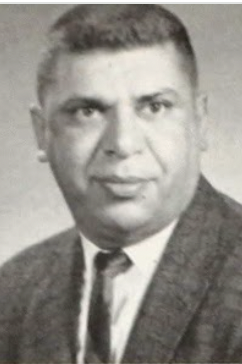 Eugene H. Abrams was one of the first 10 faculty members hired at Oakton in 1969. He earned a degree in psychology and sociology, and chose teaching as a career because he wanted to share his belief that “it is never too late to pursue an education at any age.”
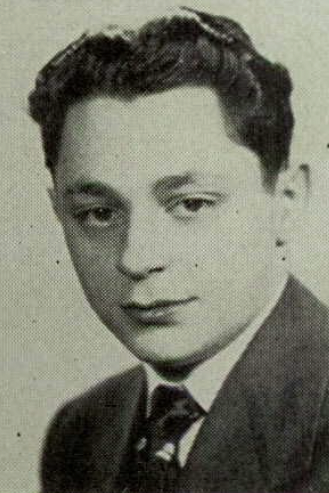 An assistant professor of psychology, Harold Leo Appell was born in Chicago in 1924 and died in 1997. He was married for 45 years and had two children. In high school, he was active in chorus, band and orchestra as well as sports including baseball and basketball.
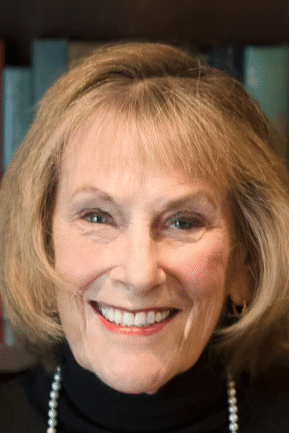 Trudy Bers started at Oakton as an instructor in social science and eventually became executive director of research, curriculum and planning.
 Jerome Brooks was a part-time faculty member who taught communications at Oakton. He also taught at City Colleges of Chicago and was the author of six novels for young adults. A father of three, Brooks died in 2004 at age 74.
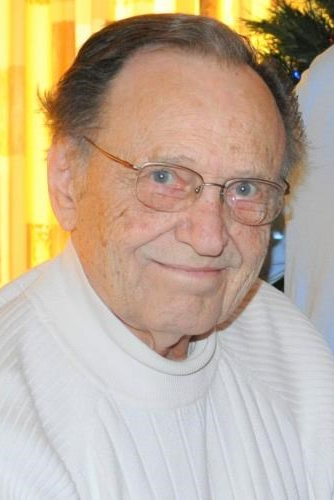 The founding director of Oakton’s Learning Resource Center, Joseph Borowski participated in several professional organizations, including serving as vice president of the Community College Association for Instruction and Technology (CCAIT). He contributed articles to several publications on topics ranging from national teleconferences and audiovisual resources to the reading interests of high school students.
 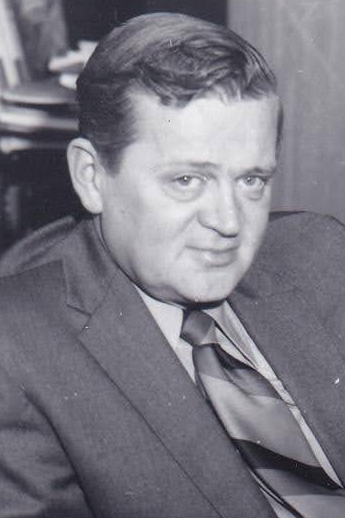 Oakton’s first student affairs leader, John “Jack” Donohue started as dean of student personnel for the new institution, eventually becoming vice president for student development.
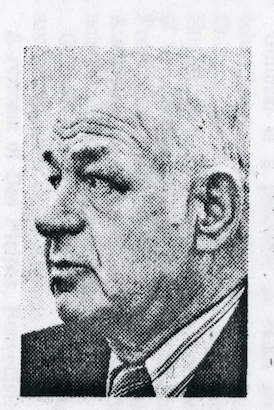 On June 25, 1969, Milton Falkoff was sworn in as a founding trustee of District 535. He served as president of the board from April 1971 to February 1972.
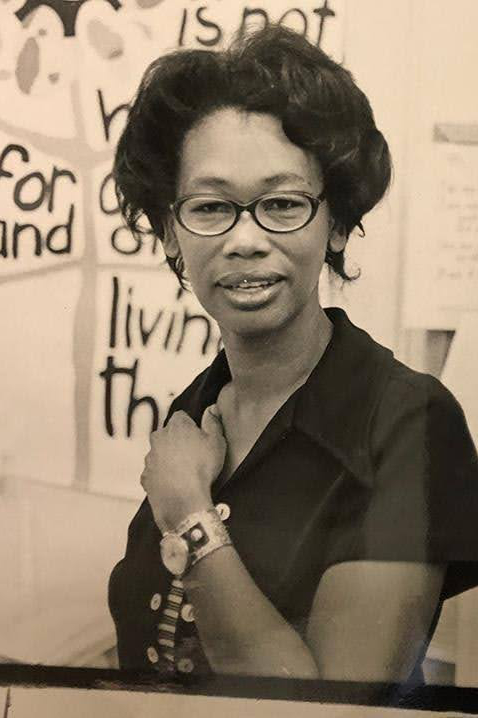 Oakton’s first Black faculty member, Gwendoline Y. Fortune was a professor of social sciences who was honored for her exceptional service to students with a Teacher Effectiveness Award in 1981–82. A beloved educator who also taught elementary and secondary school, she was also an author with three novels to her name.
 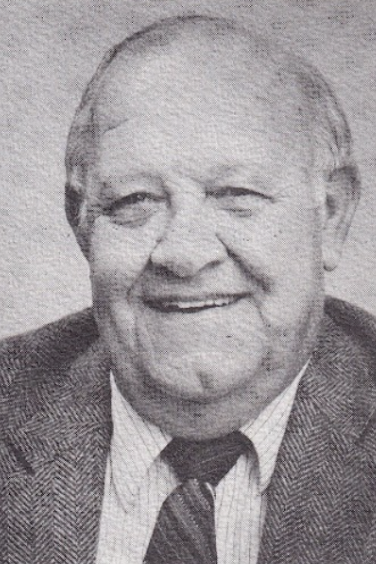 Oakton’s founding director of admissions and records, John D. Gagin Sr. served in admissions and registration at Oakton for 20 years. Before joining Oakton, he spent 20 years in the U.S. Army, where he was a lieutenant colonel and received numerous medals of honor.
 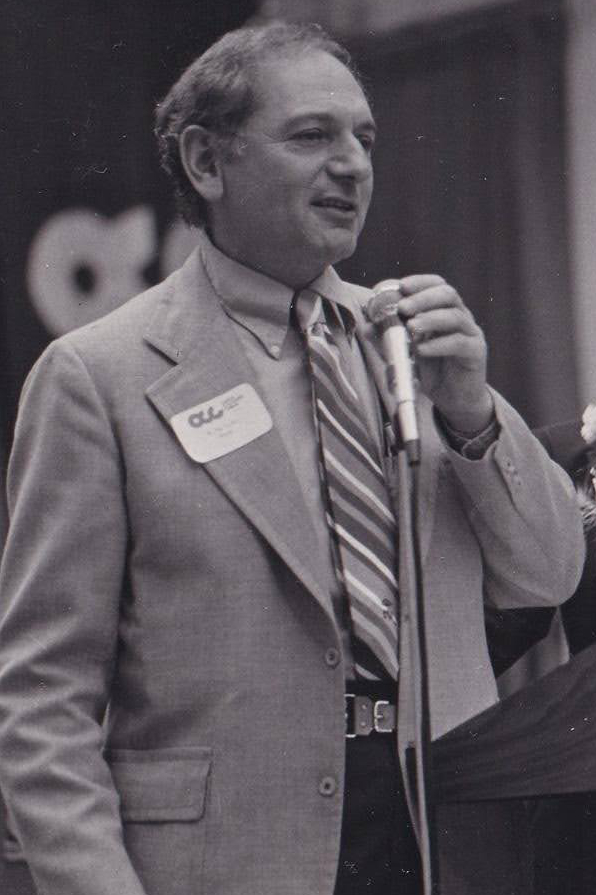 Paul D. Gilson was sworn in to a three-year term as a founding trustee of Oakton College on June 25, 1969. He later became vice chairman of the board.
 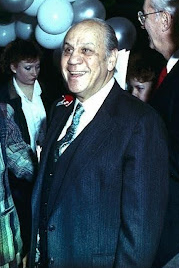 Oakton’s founding board chair, Raymond E. Hartstein, was instrumental in helping pass the township referendum that enabled the launch of the College. He served Oakton with distinction for more than 30 years, and the College’s campus in Skokie is named in his honor.
 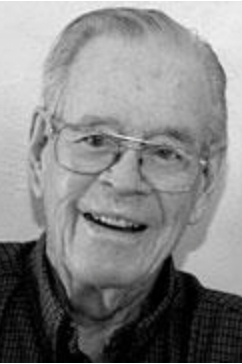 One of the first nine faculty members at Oakton College, Leonard S. Holstad joined the College as a full-time assistant professor of business in June 1970. He held a Bachelor of Business Administration degree from the University of Minnesota and a Master of Science from Northern Illinois University.
 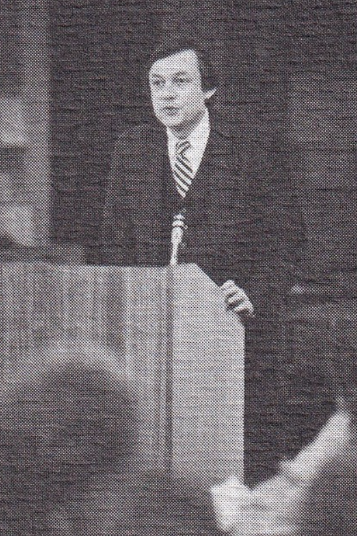 The very first member of the College’s teaching faculty, Harvey S. Irlen was appointed assistant professor of communications on April 20, 1970, the same day the new college was named.
 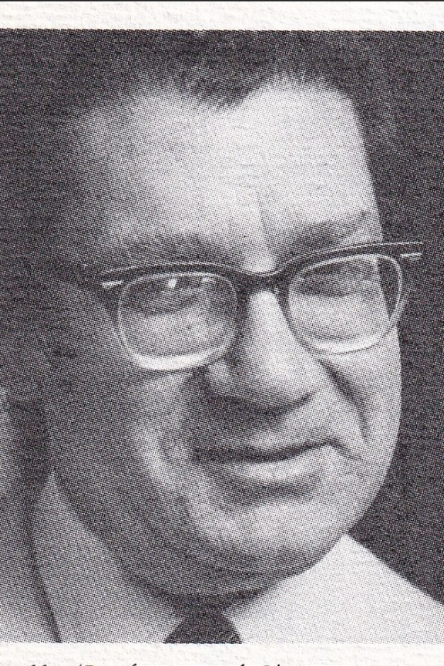 An associate professor of chemistry at Oakton, Philip M. Jaffe worked with local businesses and schools to acquire lab equipment for his classroom in Oakton’s early days. In 1970, he secured more than $10,000 worth of lab equipment for less than $4,000 from a shuttered high school and another supplier.
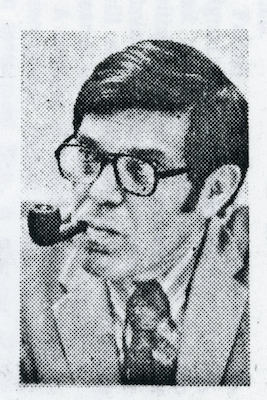 Named Skokie’s Man of the Year for 1967, Meyer L. Kamin was an insurance broker who spent much of his career at Life of America Insurance Company in Chicago, where he was president.
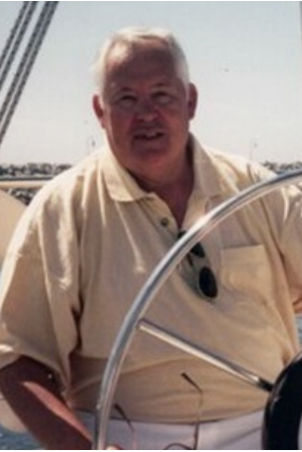 In April 1970, Arthur E. Kent was named manager of business affairs for the new College. His full-time work began July 1, 1970, but he launched his efforts on behalf of the College in May, preparing a classified personnel manual that was approved by the board on June 2. He also took on the role of College treasurer on July 1, 1970, following the resignation of the previous treasurer, Howard Sims.
 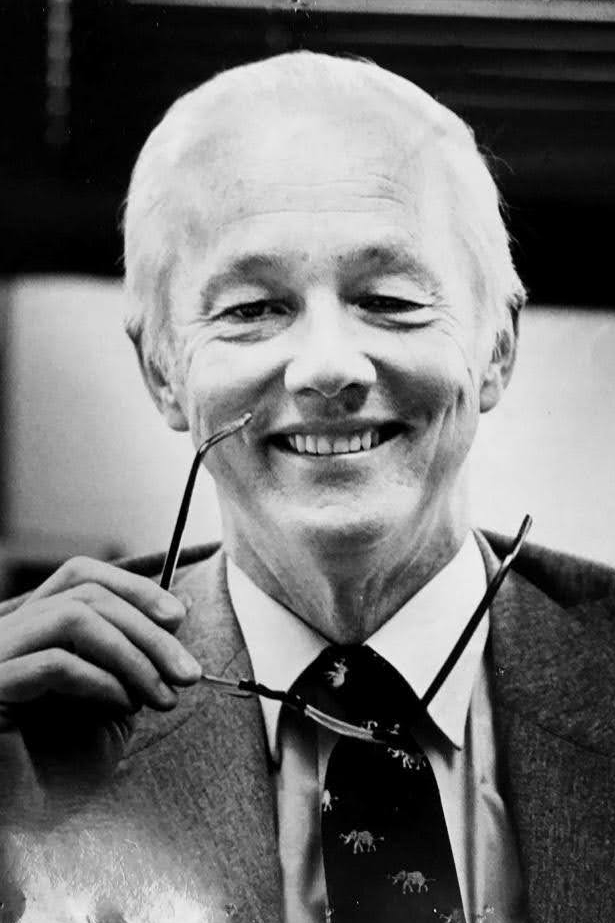 The founding president of Oakton College, William A. Koehnline built the institution from the ground up to become a thriving center of higher education. Under his leadership, Oakton grew rapidly, expanding access to affordable, high-quality education for thousands of students in the northern suburbs of Chicago. His work laid a strong foundation for Oakton’s ongoing mission to be the community’s college and to provide residents with access to a quality education that empowers them to transform their lives.
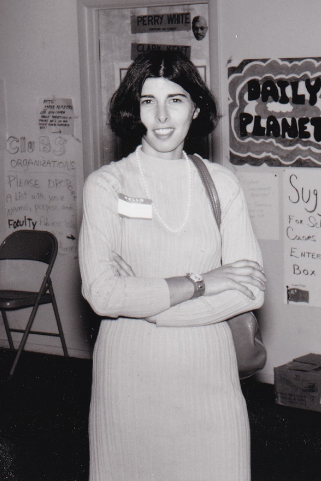 A part-time faculty member, Nancy Lawler taught American history at Oakton in the early days and went on to teach economics as well. In 1989-90, she won a grant from the Fulbright U.S. Scholar Program to conduct research at Omar Bongo University in Gabon, Africa.
  Sarita Levin was a part-time member of the faculty who taught art. In addition to her work at Oakton, she taught for the Chicago Board of Education, the Chicago Academy of Fine Arts, St. Mary's College Du Lac in Indiana, MacCormac Junior College in Chicago, Eastern Illinois University, Culver-Stockton College in Missouri, and the University of Illinois Urbana-Champaign. She also worked as a graphic designer for Bob Mulcahy Graphics in Chicago and as an artist and director of business development for Artform Designs. In 1988, she was a juror for the Keokuk Art Association in Iowa.
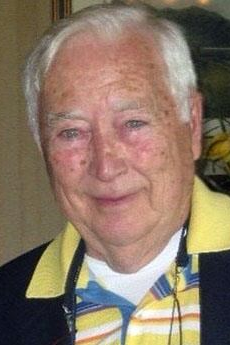 A professor of philosophy and humanities at Oakton from 1970 to 1998, Eugene DeValcourt Lockwood served in the U.S. Army during WWII and was a Jesuit priest from 1948 to 1969. He held a M.Ed. from Loyola University, a Litt.B. from Xavier University, and two degrees from institutions of higher education in India. He was born in 1924 and died in 2019.
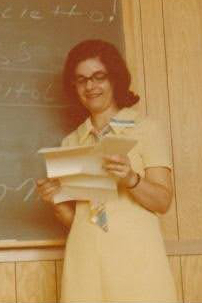 Lena Lucietto joined the staff of Oakton College in May 1970 as assistant to President William Koehnline. In that role, she oversaw public information, accreditation of College programs, government grants and other special funding, and communications with the College.
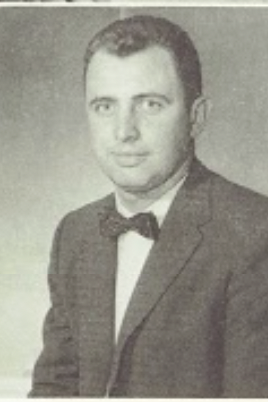 At the first meeting of the Oakton Board of Trustees, Griffith T. MacDonald was elected to serve as vice chairman.
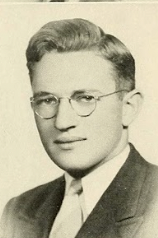 Seymour I. Mandell joined Oakton College in 1970 as a part-time faculty member in business administration. A veteran of the U.S. Army, he also taught management at Roosevelt University and pursued a variety of business ventures. He held an MBA from the University of Chicago.
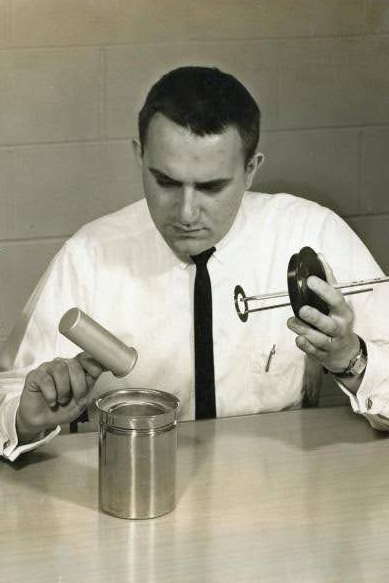 One of the first nine faculty members at Oakton College, Michael J. Matkovich joined the College as a full-time instructor in mathematics and science in June 1970 and remained on the faculty as a professor of physics into the early 2000s. Matkovich earned a master’s degree from Boston College and a bachelor’s degree from DePaul University.
 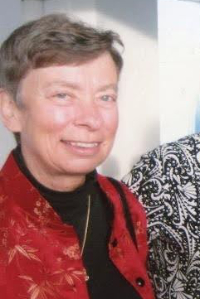 Mary L. Mittler joined Oakton in 1970 as an instructor in communications. In 1983, when she was an associate professor, she helped arrange a program about computers for an Oakton Affiliates Breakfast. “Bits and Bytes: Computers at Oakton” presented an opportunity for area business leaders to see computers in action. She also competed on the faculty Bowling League. She earned both master’s and bachelor’s degrees at DePaul University.
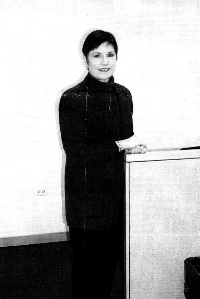 A founding member of the mathematics faculty, Carol Ann Murphy became an emeritus faculty member in 2020. During the College’s inaugural semester, she quickly distinguished herself as an exceptional educator, earning recognition as “Best Teacher,” an honor voted on by students in collaboration with the school newspaper and one that later evolved into the Ray Hartstein Excellence in Teaching Award.
 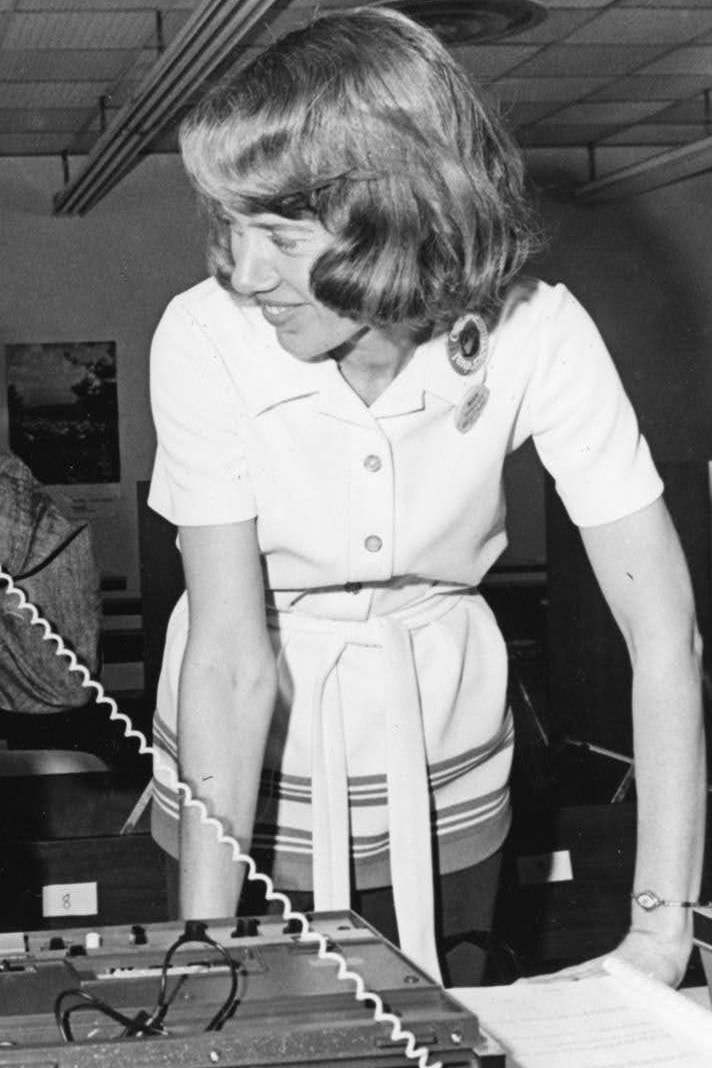 An associate professor of foreign languages at Oakton, founding faculty member Monika F. Patel received a Teaching Effectiveness Award from the College in 1983. In the 1970s, as a member of the State of Illinois’ Committee for German Guidelines, she helped develop a general curriculum guide to German instruction for kindergarten through junior college.
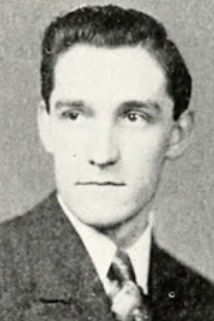 Edward L. Praxmarer was a part-time faculty member who taught U.S. history at Oakton. He died in 1995.
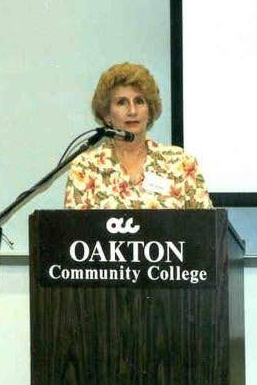 One of Oakton's first teachers, Toni Rowitz joined the faculty in 1970 as a part-time instructor of communications. In 1983, when she had advanced to professor of communications, she received a Teaching Effectiveness Award.
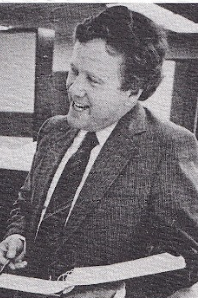 Gary Saben was Oakton’s first director of information systems. Before joining the College in July 1970, he taught math at Evanston High School and worked at IBM as a computer programmer. He held a master’s degree in mathematics education from the University of Illinois in Champaign-Urbana.
 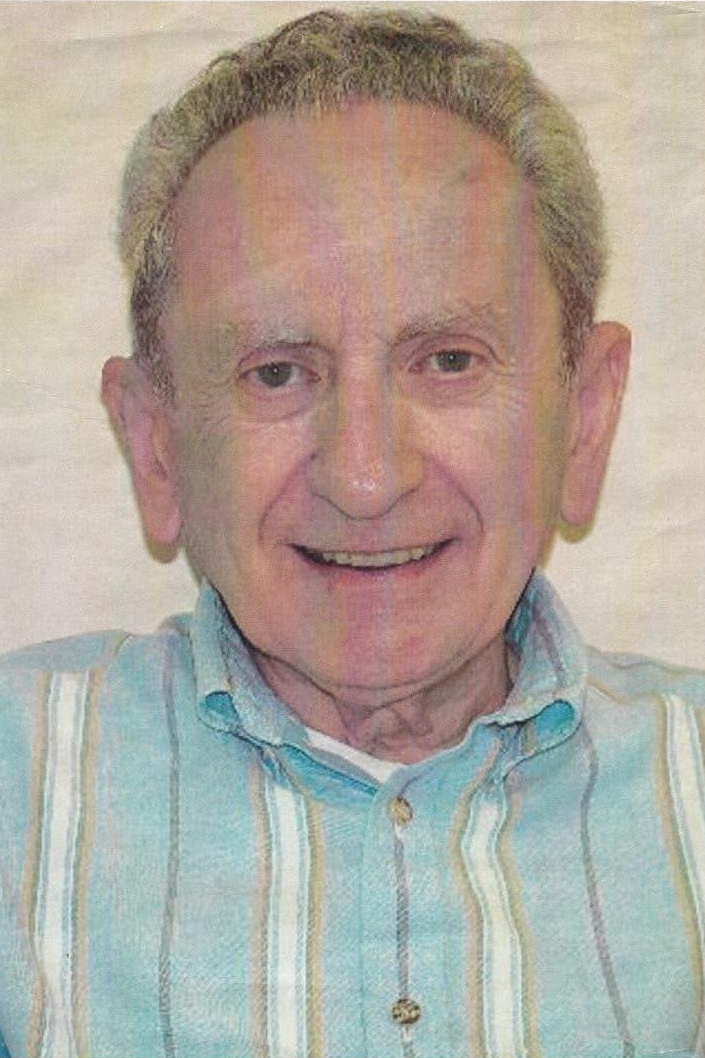 Before joining the faculty at Oakton, Frederick Salzberg had a distinguished career in mechanical engineering. He worked at Shure Brothers, where he helped create one of the first desktop microphones, and at IIT, where he was a lead engineer. He also secured government grants for his research, including studies on atomic blasts.
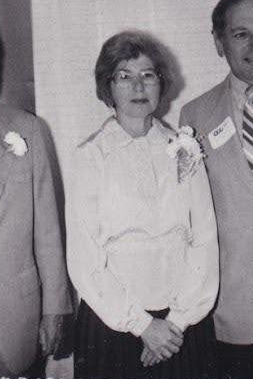 The only woman on Oakton’s founding Board of Trustees, Doris Sopkin was elected secretary of the Board and served for two years.
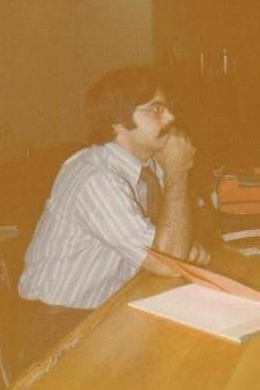 John A. Tosto was appointed assistant professor of student development in June 1970. By the time classes began in Fall 1970, he and his colleague Carolyn H. Florer had counseled and advised all of the new college’s 432 full-time students. They had also published the first student handbook and planned three days of student-faculty workshops to be held before the first day of classes.
 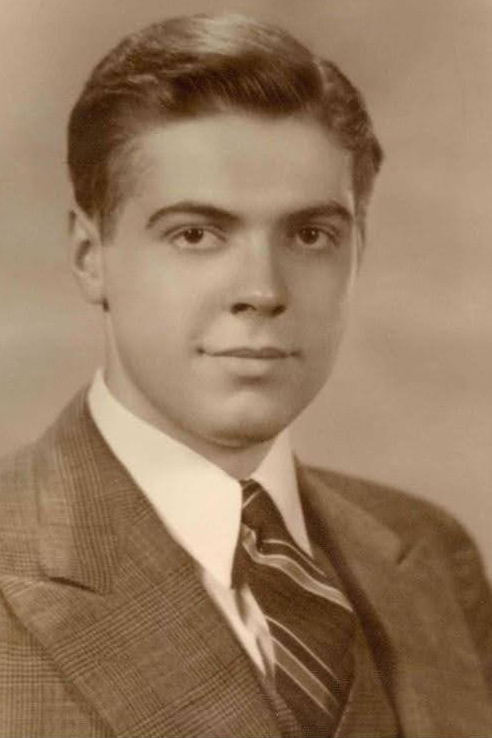 A clinician and professor of psychology, LeRoy Wauck began his teaching career at Marquette University in Milwaukee, where he helped establish the psychology department in the 1950s and served as department chair. He went on to serve in the same role at DePaul University before joining the faculty at Loyola University. Throughout his teaching career, he continued to work with patients in clinical settings, including hospitals.
 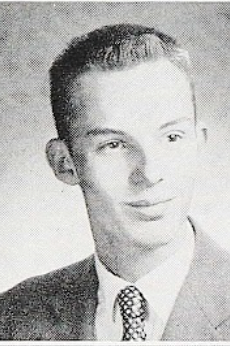 Jay C. Wollin joined the full-time faculty at Oakton as an instructor of natural science. In 1981-82, he served on a promotions committee that chose recipients of that year’s Teacher Effectiveness Awards.